Groundbreaking research project 3SIP2C wins Research Project of the Year 2026.
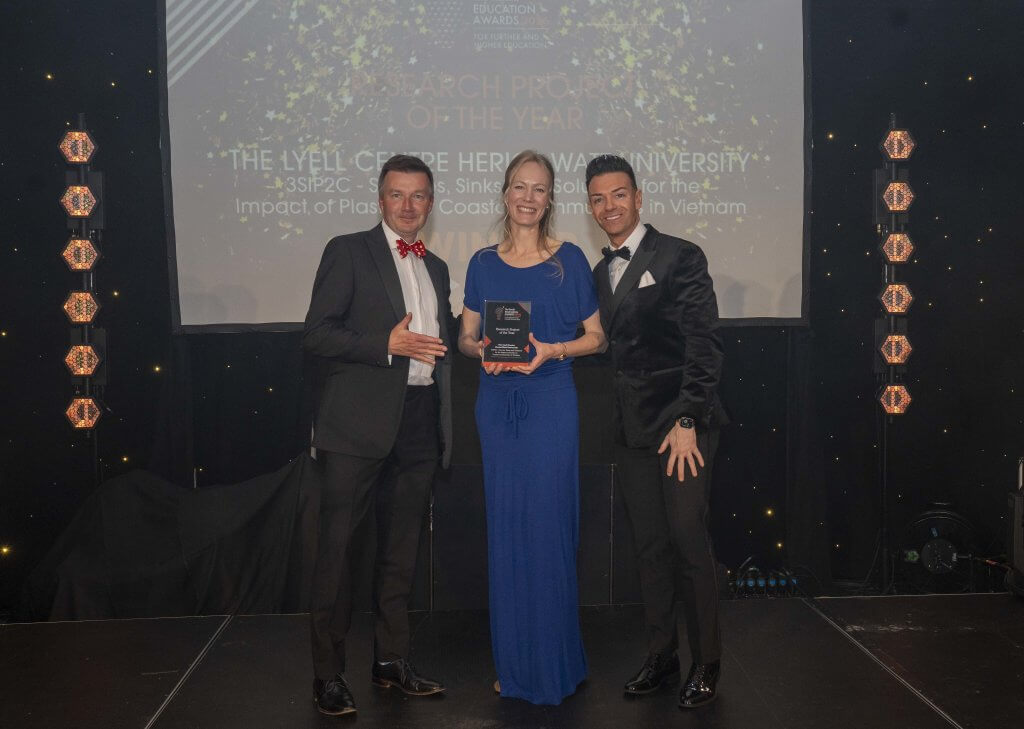
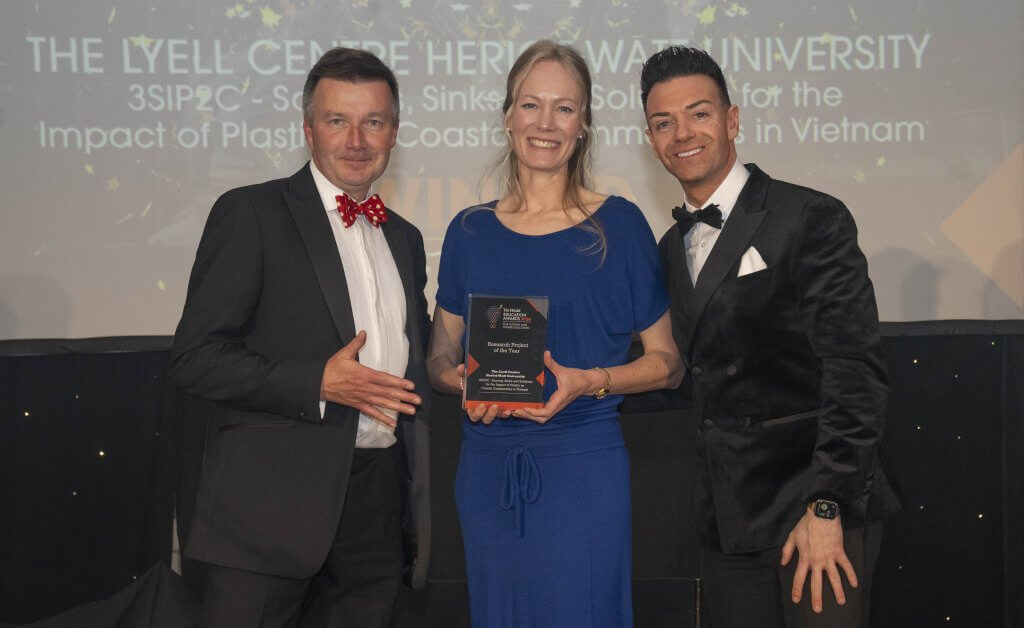
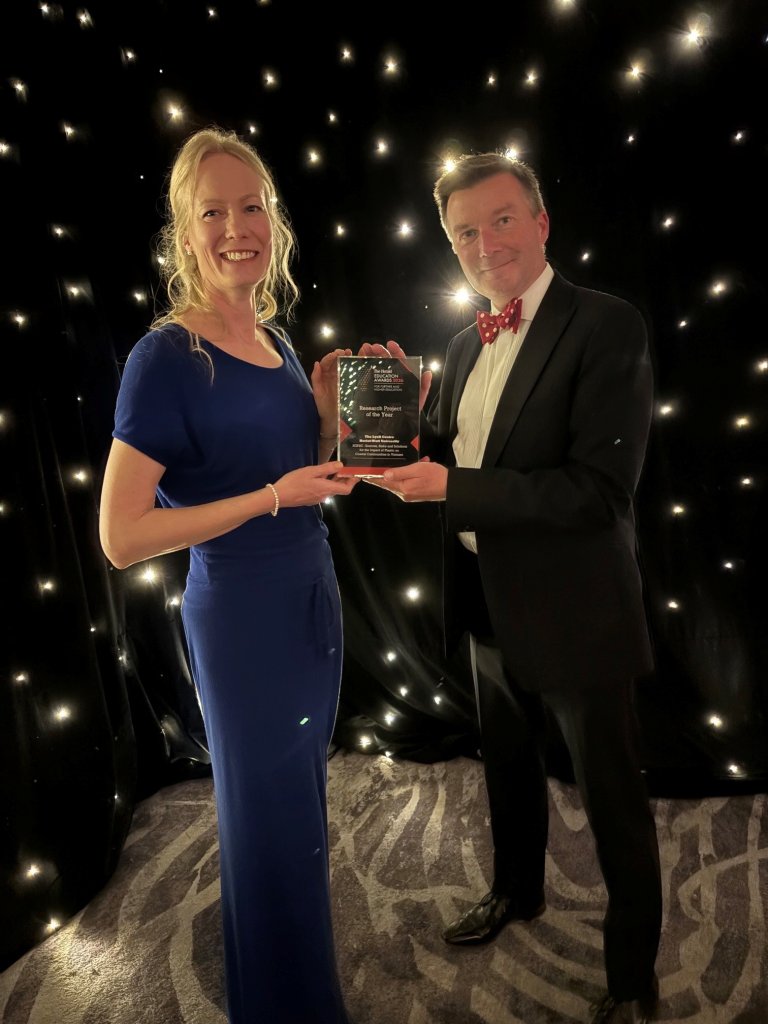
The Herald Education Awards 2026 at DoubleTree by Hilton Hotel
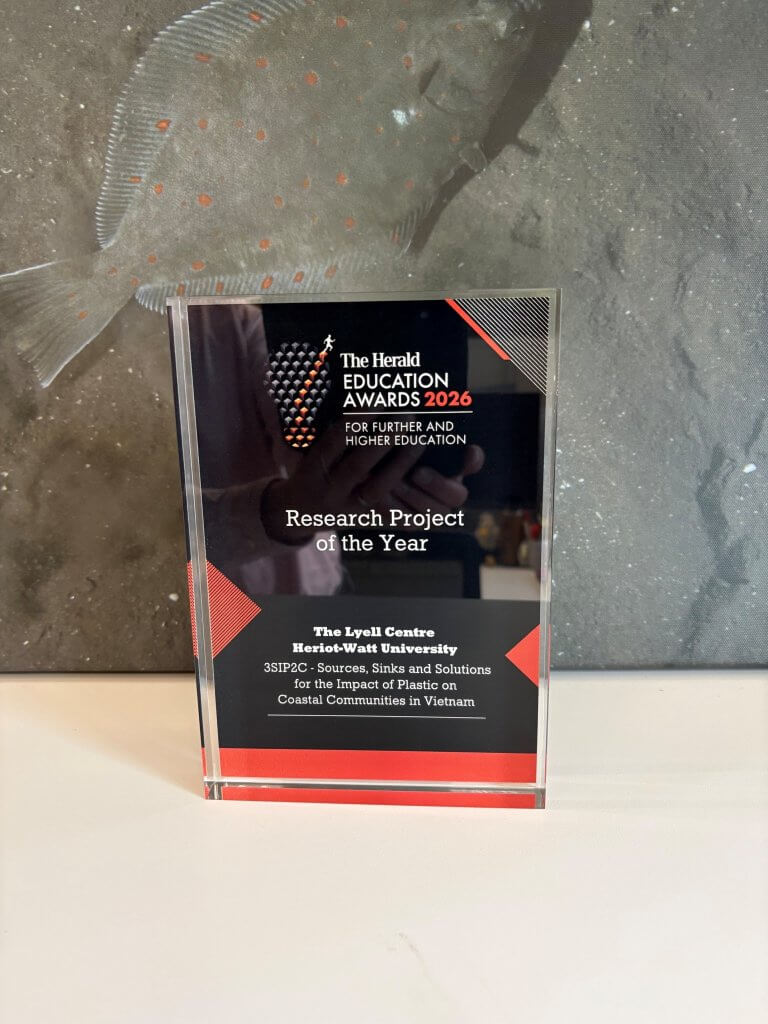
Pictured Winners Research Project of the Year
The Lyell Centre Heriot-Watt University – 3SIP2C – Sources, Sinks and Solutions for the Impact of Plastic on Coastal Communities in Vietnam
All images © Gibson Digital 2026
We want to share the voiceover from the night which highlighted the Judges key points from your entry leading to the win:
“The judging panel found this to be a world‑class research project carried out with coastal communities rather than to them, building deep, long‑term stakeholder relationships and using powerful, community‑driven evidence to lobby effectively for meaningful plastic‑pollution policy change.”
Research Project of the Year
The Lyell Centre Heriot-Watt University – 3SIP2C – Sources, Sinks and Solutions for the Impact of Plastic on Coastal Communities in Vietnam
See more news about this achievement in Heriot-Watt University website and on LinkedIn
Plastic pollution is a major global environmental challenge. According to the United Nations, Vietnam is among the top ten countries contributing plastic waste to the oceans, with some estimates suggesting around 4% of all ocean plastic can be traced back to Vietnam.
For coastal communities, this creates acute environmental, economic and safety challenges. Plastic waste, including microplastics, is transported through river systems into coastal waters and along shorelines, reducing the amenity of beaches, impacting tourism and creating hazards for fishers who lose valuable time removing debris from nets and propellers, sometimes in dangerous offshore conditions.
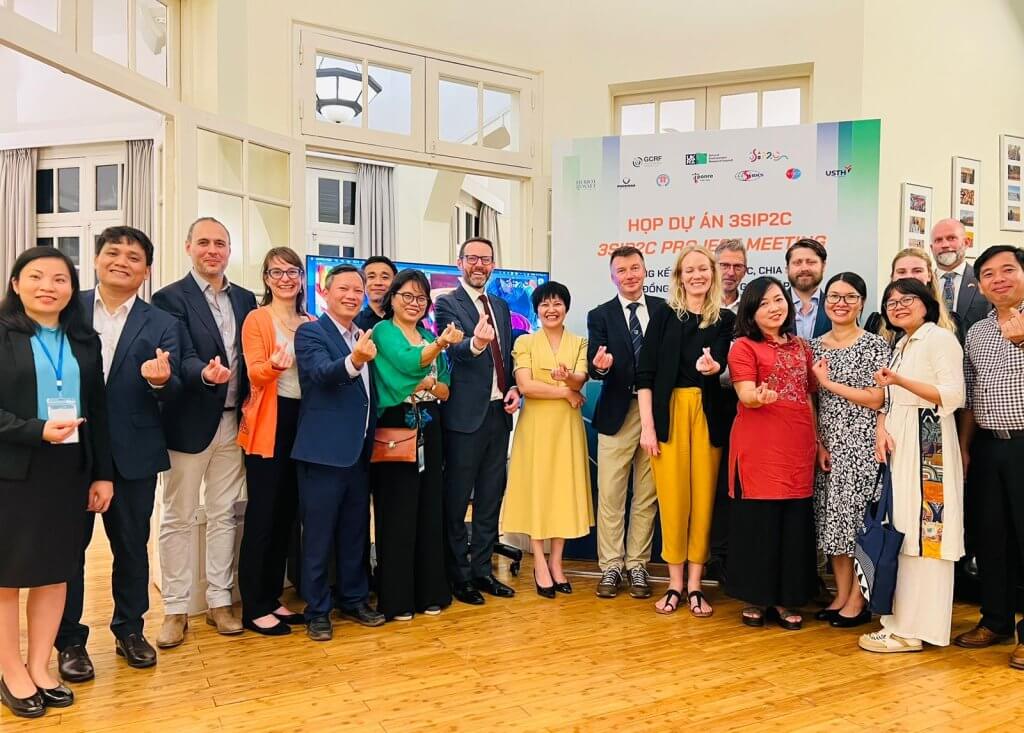
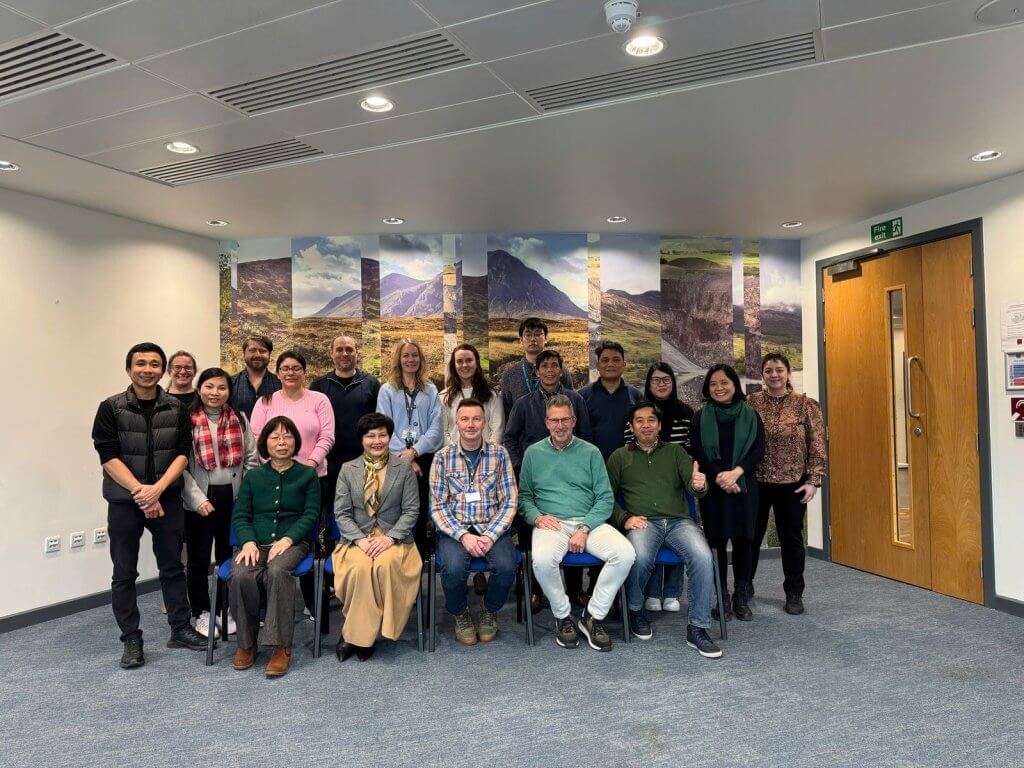
The £3.5 million Sources, Sinks and Solutions for the Impact of Plastic on Coastal Communities in Vietnam (3SIP2C) project was established to address these challenges by investigating the sources, pathways and impacts of plastic pollution while identifying practical solutions to reduce its effects on communities and ecosystems. The project brought together researchers from Heriot-Watt University in Edinburgh and six partner research institutes in Vietnam, combining expertise across environmental science, health, economics, policy and community engagement.
The project examined how plastics move through river and marine systems, how they degrade over time and whether this contributes to harmful contamination in aquatic environments. Alongside scientific investigation, the research explored the social and economic impacts of plastic pollution on coastal industries and livelihoods.
What makes 3SIP2C particularly innovative is its integrated five-theme approach, combining analysis of plastic flow pathways, risks to ecosystems and human health, impacts on local businesses and trade, policy responses to plastic pollution, and community and school engagement to co-develop long-term solutions.
The project exemplifies Heriot-Watt University’s strategic commitment to interdisciplinary research, global partnerships and outward engagement, addressing critical global challenges while delivering evidence-based solutions that support environmental protection and community resilience.
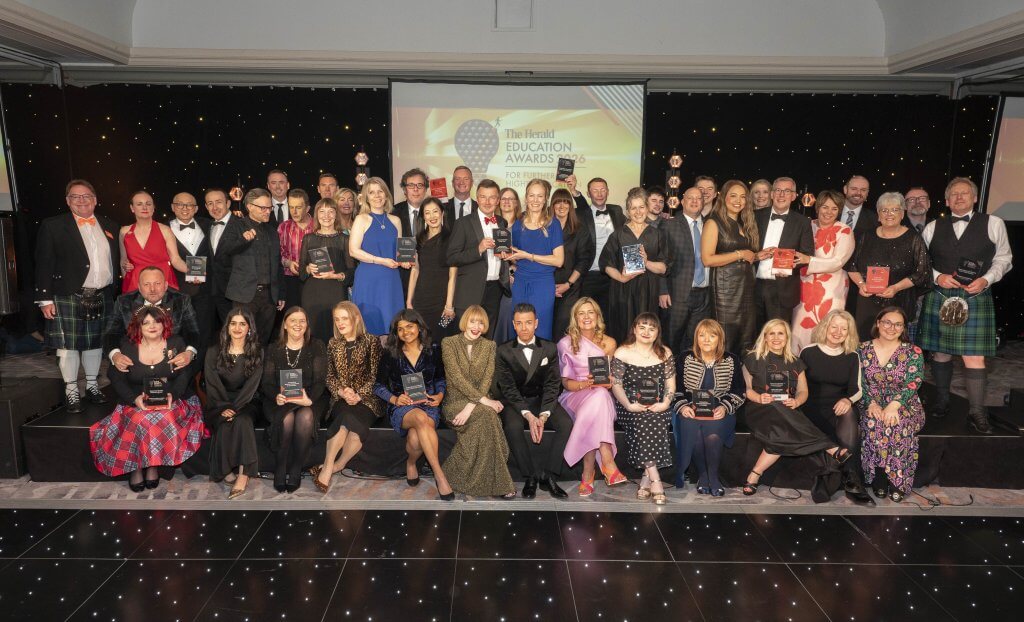
The Herald Education Awards 2026 at DoubleTree by Hilton Hotel Pictured All our Winners
All images © Gibson Digital 2026
The 3SIP2C project adopted a holistic, multidisciplinary approach to understanding and addressing plastic pollution in Vietnam’s coastal environments. Led by a core team of around 30 researchers, with contributions from more than 100 international scientists over the five-year project, the initiative combined environmental science techniques, such as field sampling and oceanographic modelling, with social science research on food supply chains, governance and policy. This work was supported by an extensive community and stakeholder engagement programme, ensuring that scientific findings could be translated into evidence-based policy recommendations and practical community action.
Within Heriot-Watt University, the project strengthened interdisciplinary collaboration and enhanced the University’s profile in global marine pollution research. It also built long-term international partnerships with Vietnamese research institutions and contributed to the development of new environmental monitoring methods.
The project has delivered significant wider societal impact. Through training workshops and collaborative research, more than 200 early-career researchers received capacity-building support, strengthening long-term research collaboration between the UK and Vietnam. Community engagement activities also played an important role: over 450 people participated in beach waste audits and clean-up events, while a citizen science initiative, the “Coconut Hunt” experiment, involved 50 school pupils and more than 3,400 online participants. The project’s associated educational television episodes have been viewed over 14,000 times, extending public awareness of plastic pollution.
International knowledge exchange was further supported through a major 3SIP2C-themed conference in 2023 at the Interdisciplinary Center for International Science and Education (ICISE) in Quy Nhon, bringing together thousands of scientists as part of the International Vietnam Conference on Earth and Environmental Sciences.
To date, the project has produced over 30 academic papers and conference presentations, with additional outputs forthcoming. Together, these activities have created a model for integrating scientific research, policy engagement and community participation to address plastic pollution and support more sustainable coastal management.
https://www.heraldscotland.com/news/26125401.herald-education-awards-2026-winners-announced/